
The Revolutionary Application of Aluminum Alloy Profiles in Rail Transportation: Lightweighting, High Efficiency, and Customized Solutions
- By:SJHM
- Date:09-09-2025
The Aluminum Revolution in Rail Transportation
When we witness a high-speed train silently streaking across the horizon like a silver bolt of lightning, we are seeing not just a marvel of modern engineering, but the result of a decades-long materials revolution. In this revolution, aluminum alloy materials in rail vehicles have undoubtedly played the most central role. From initial experimental applications to now being the preferred choice for trains exceeding 250 km/h, aluminum alloys, with their unparalleled strength-to-weight ratio, exceptional corrosion resistance, and limitless formability and customizability, have fundamentally transformed the design, manufacturing, and operational paradigms of rail vehicles.
As a professional industrial aluminum profile manufacturer with years of deep industry experience, we are deeply involved in and have propelled this process. We provide not just raw materials, but integrated customized performance solutions encompassing material science, extrusion processes, and precision machining, aimed at helping global rail vehicle manufacturers meet the most stringent technical challenges.
Chapter 1: Why Have Aluminum Alloys Become the Backbone of Modern Rail Transportation?
Rail transportation, especially high-speed rail and urban subways, imposes nearly demands on body materials: they must be strong enough to ensure safety, lightweight enough to improve energy efficiency, durable enough to withstand decades of fatigue loads, and stable enough to adapt to changing environments. Aluminum alloys perfectly meet all these needs.
1.1 Core Advantages: A Superior Choice Over Steel
- Extreme Lightweighting: This is the most significant advantage of aluminum alloys. Their density is about one-third that of steel. While providing equivalent strength or stiffness, aluminum structures can be more than 50% lighter than steel structures. For rail vehicles, reducing weight by 1 ton can translate to savings of thousands or even tens of thousands of dollars in energy consumption over the vehicle’s lifecycle, a key benefit of using aluminum alloy materials in rail vehicles.
- Excellent Strength and Stiffness: Through alloy composition (e.g., adding magnesium, silicon, manganese, zinc), heat treatment processes (e.g., T5, T6 tempers), and optimized profile structural design, modern industrial aluminum alloys can achieve extremely high strength, stiffness, and fatigue strength, fully meeting the dynamic loads and aerodynamic pressure requirements of high-speed operation.
- Superior Corrosion Resistance: The surface of aluminum alloys naturally forms a dense protective oxide film, giving it innate corrosion resistance. This is crucial for aluminum alloy materials in rail vehicles that are perpetually exposed to rain, humidity, de-icing salts, and even marine climates, significantly reducing vehicle maintenance costs and extending service life.
- Excellent Formability: Aluminum alloys are highly suitable for producing complex hollow structural profiles through extrusion processes. This allows designers to create large-width, complex cross-sections in a single piece, greatly reducing part count, weld seams, and assembly costs, while improving the overall precision tolerance and consistency of the car body.
- Sustainability and Recyclability: Aluminum is 100% recyclable indefinitely, and recycling it requires only about 5% of the energy needed to produce primary aluminum. This perfectly aligns with the global rail transportation industry’s green, low-carbon development direction, making the use of aluminum alloy materials in rail vehicles an environmentally responsible choice.
1.2 The Data Speaks: The Tangible Benefits of Lightweighting
China’s CRH series high-speed EMUs are a prime example of aluminum application. Data shows that the weight of an aluminum alloy body for a high-speed EMU is typically between 8.5 to 10 tons per car, with interior applications adding about 1 ton per car of aluminum materials. Compared to traditional steel structures, this lightweight design delivers direct economic benefits:
- Increased Payload: A lighter body allows for more passengers or cargo.
- Reduced Fuel/Electricity Consumption: Significantly lowers traction energy consumption; it is estimated that a 10% reduction in body weight can reduce operating energy use by approximately 6-8%.
- Enhanced Adaptability: Offers excellent adaptability to high speeds, winding tracks, undulating routes, and harsh environments, making operation easier to control and more stable.
Consequently, industry standards clearly stipulate that high-speed trains exceeding 250 km/h must extensively use aluminum alloy materials in rail vehicles; for ultra-high-speed trains exceeding 350 km/h, almost the entire carbody, except for a very few components like the bogie frame, is constructed from high-performance aluminum profiles.
Chapter 2: Key Applications of Customized Aluminum Profiles in Rail Vehicles
As a manufacturer, we understand that different components have vastly different performance requirements. Our role is to provide “tailor-made” aluminum profile solutions for each critical part through in-depth technical collaboration and customized production.
2.1 Body Structure System
This is the area where aluminum profiles are most widely used and have the highest technical requirements. We provide:
- Roof: Wide, rib-reinforced hollow profiles ensure a smooth aerodynamic shape and sufficient rigidity to withstand aerodynamic loads and external pressure.
- Sidewalls: Large, integrated extruded profiles incorporate structures like window frames and mounting brackets, minimizing welding, ensuring surface flatness and aesthetics, and meeting fatigue strength and crash safety requirements.
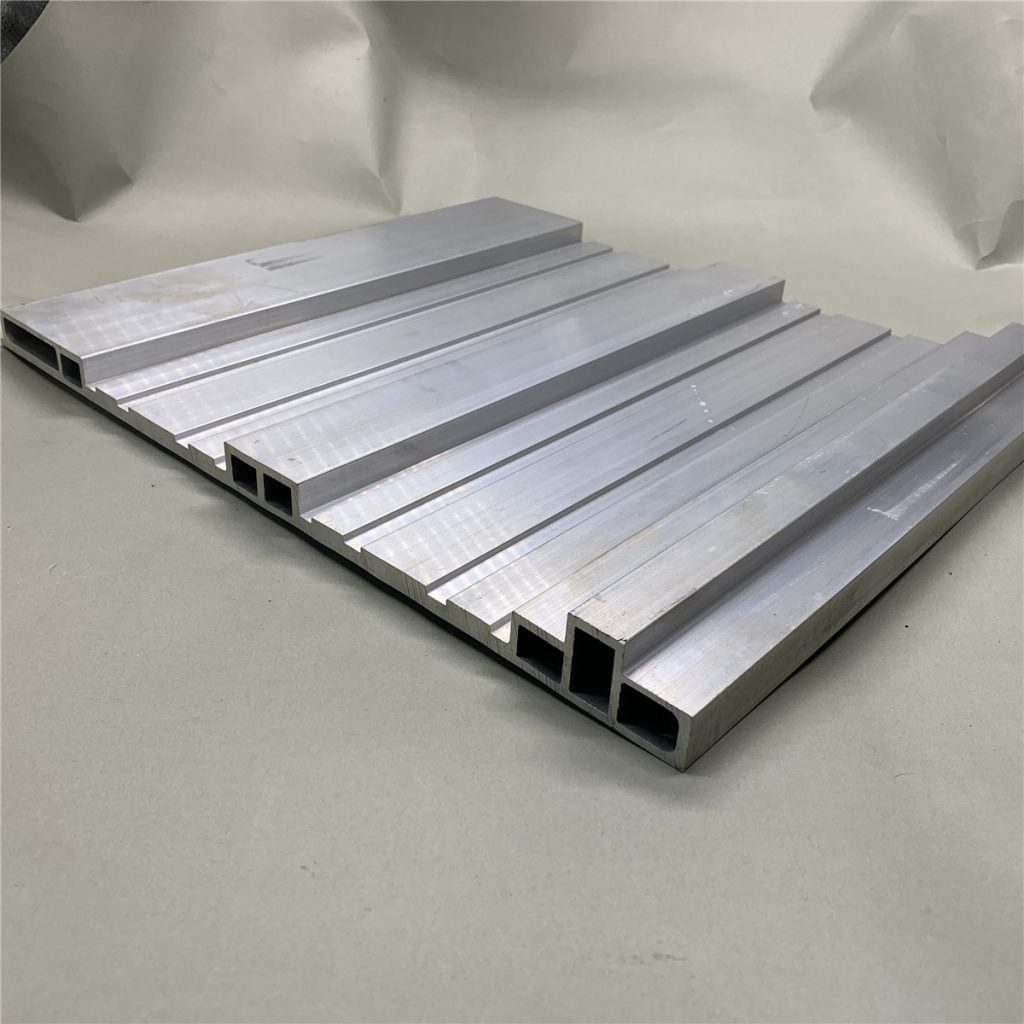
- Floor: Multi-layer composite aluminum profiles provide extremely high bending strength and sound/thermal insulation properties. Floor profiles require excellent flatness and load-bearing capacity.
- Door Frames and Beams: These are key components ensuring body sealing and safety. Our profiles feature extremely high dimensional accuracy and stability, ensuring doors remain sealed and operate smoothly even after millions of opening and closing cycles.
2.2 Underframe and Bogie Systems
While the bogie frame itself often uses higher-strength steel, many auxiliary structures and components widely use high-performance aluminum alloy materials in rail vehicles.
- Chassis Components: Includes various brackets, supports, and connectors. These parts require extremely high strength and vibration fatigue strength. We ensure their structural integrity under long-term vibration through special alloy selection and heat treatment processes.
- Footsteps and Skirts: Combine lightweight and impact-resistant properties, while requiring excellent corrosion resistance to deal with track-side ballast impact and damp environments.
2.3 Interior and Equipment Systems
Interior lightweighting is a key area for further reducing overall vehicle weight.
- Seat Frames: The safety, lightweighting, and comfort of seats directly depend on their frames. Our aluminum profiles ensure crash safety strength while offering designers greater styling freedom.
- Luggage Racks: Require ingenious cross-sectional design to maximize space utilization and load capacity, with smoothed edges for passenger safety.
- Interior Trims: Include wall panels, ceiling panels, light cover profiles, etc., focusing on aesthetics, surface treatment quality (e.g., anodizing, powder coating), and flame retardancy.
2.4 Critical Subsystems
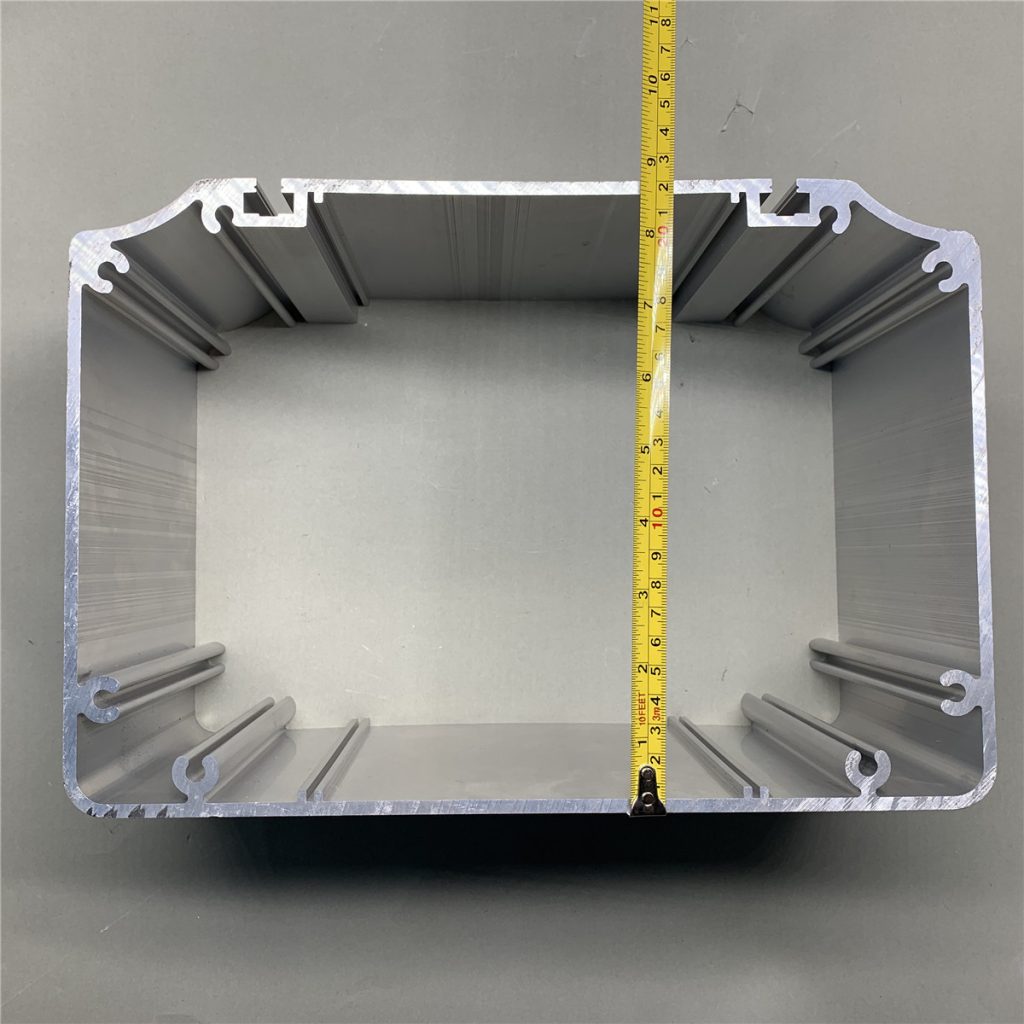
- Radiators: The electric traction system of EMUs generates significant heat. We provide high thermal conductivity aluminum extrusion profiles for manufacturing efficient, lightweight radiators, ensuring critical equipment operates at optimal temperatures.
- Water Tanks: Made from aluminum alloys with excellent corrosion resistance (e.g., 5000 series), formed through extrusion and welding, ensuring clean water sanitation and safe storage.
Chapter 3: Beyond the Product: Our Customized Performance Promise
You are purchasing not just aluminum profiles, but a technical partnership that ensures your project’s success. How do we meet your demanding customized performance requirements?
- Collaborative Design and Engineering Support: Our engineering team gets involved early in the project, working with your design department to optimize profile cross-section design, achieving the optimal balance of manufacturability and cost while meeting all performance indicators.
- Comprehensive Alloy Selection: We select the most suitable alloy for you from a range including the 6000 series (e.g., 6061, 6063, 6082) to the 7000 series (e.g., 7005), precisely matching your needs for strength, weldability, corrosion resistance, and surface treatment requirements.
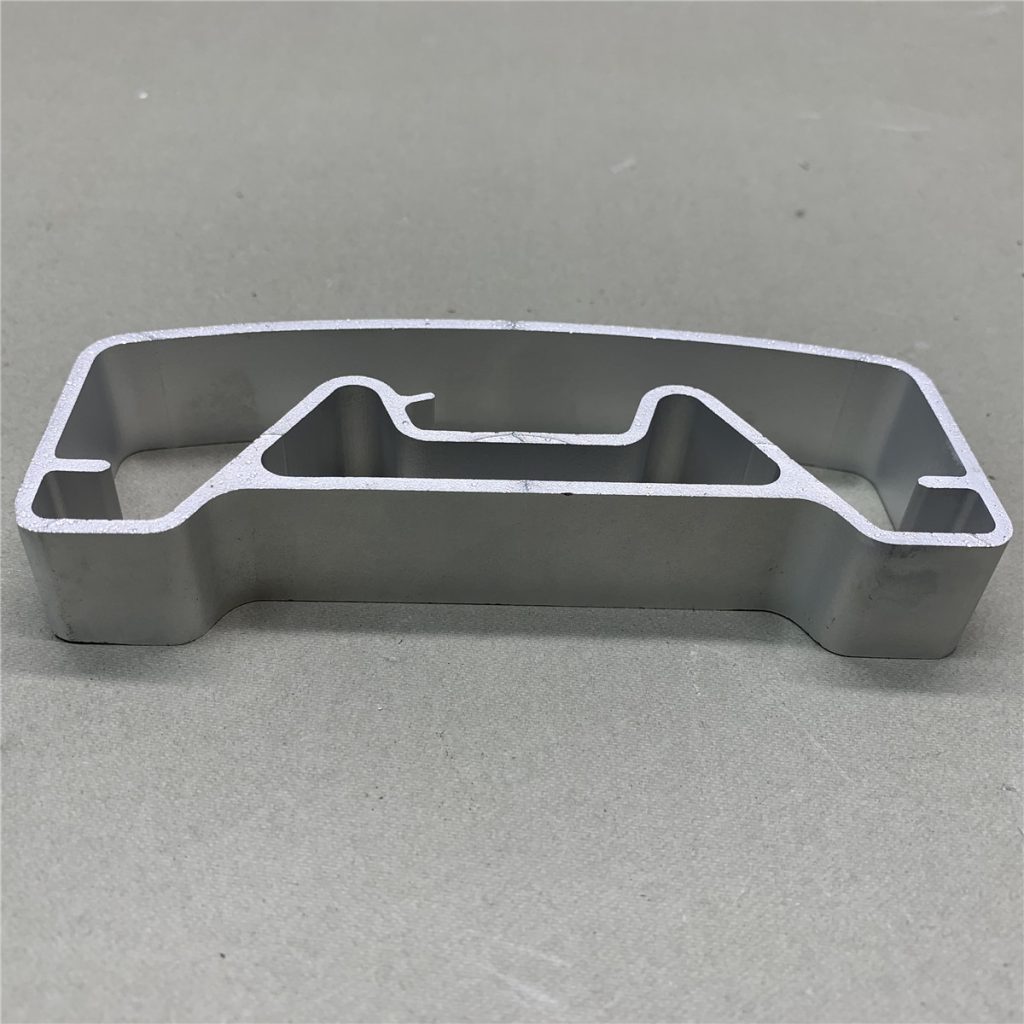
- Precision Extrusion and Processing: We possess large-tonnage extruders capable of producing large, thin-walled, complex cross-section profiles. Through strict process control, we guarantee products with exceptional precision tolerance and consistent microstructure.
- Advanced Heat Treatment Technology: Precise online quenching and aging heat treatment (T5, T6) ensure profiles achieve optimal mechanical properties, particularly fatigue strength, which is the cornerstone of long-term safe operation for rail vehicles.
- Comprehensive Quality Inspection System: From raw material spectroscopic analysis to finished product coordinate measuring machine (CMM) checks, we ensure every delivered profile fully complies with specifications and the most stringent international standards.
Chapter 4: Choosing the Right Aluminum Profile Partner: Beyond a Supplier
In the rail transportation sector, project success relies on supply chain reliability and technical capability. Choosing us means you choose:
- Profound Technical Expertise: Our deep understanding of aluminum material science and extrusion processes acts as a “shock absorber” for your project’s technical risks.
- A Commitment to Quality and Reliability: We treat quality as paramount because we know our products impact the safety of thousands of passengers.
- Global Project Experience: Our products and services have been applied in numerous domestic and international projects; we are familiar with the standards and norms of different markets.
- A Sustainable Partnership: We are committed to becoming your long-term, trusted extended supply chain, jointly advancing rail transportation technology.
Conclusion: Collaborating to Create the Future of Rail Transportation
The application of aluminum alloy materials in rail vehicles is an evolution that continues to accelerate. From faster speeds to smarter, greener trains, future innovation will continue to depend on material breakthroughs. As a leading industrial aluminum profile manufacturer, we are ready.
We invite you to contact us to discuss your next project. Whether you need to develop a brand-new high-speed train body profile or optimize a chassis bracket for corrosion resistance, our team will provide you with a full-range customized performance solution from concept to mass production, working together to shape a more lightweight, efficient, and sustainable future for rail transportation.
industry aluminum profiles manufacturer,aluminum alloy profiles, rail vehicles aluminum alloy,subway aluminum alloy,6063 aluminum alloy, aluminum extrusion ,aluminum radiator, heatsink, aluminum manufacturer