
How Precision CNC Machined Aluminum Components Are Revolutionizing the Medical Industry
- By:SJHM
- Date:10-12-2025
The Critical Role of Precision Aluminum Alloys in Modern Medicine
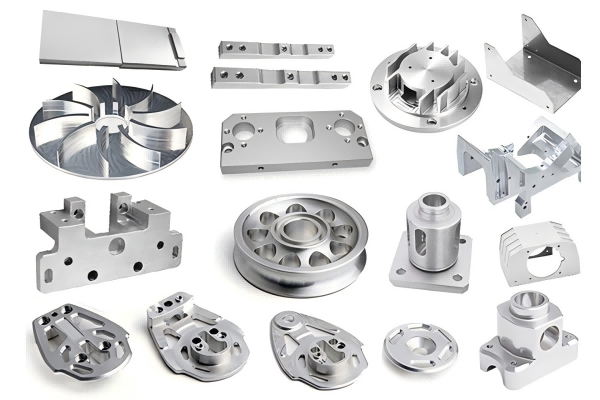
Precision CNC machined aluminum components are rapidly becoming a vital part of the medical device manufacturing landscape. Due to their unique combination of properties, aluminum alloys have found widespread application in the healthcare sector. From lightweight surgical instruments to advanced imaging systems, the machining precision and material characteristics of aluminum directly impact the safety, reliability, and efficacy of medical devices. As medical technology advances towards minimally invasive, portable, and intelligent solutions, the demand for precision machined aluminum medical parts continues to grow. These components must not only meet stringent biocompatibility requirements but also possess excellent mechanical properties, corrosion resistance, and sterilizability. As a professional partner to medical device manufacturers, we deeply understand these requirements and employ advanced manufacturing processes to ensure the quality of every part.
Key Performance Advantages of Medical-Grade Aluminum Alloys
Lightweight Properties and Their Medical Value
With a density of approximately 2.7 g/cm³—about one-third that of steel—aluminum’s lightweight nature offers special value in medical applications. It reduces surgeon fatigue and improves precision with lightweight surgical tools, enhances the portability and operability of medical equipment, and minimizes patient discomfort with lighter implantable devices.
Excellent Biocompatibility
Properly surface-treated medical-grade aluminum alloys exhibit outstanding biocompatibility. Unlike some stainless steels, aluminum does not release nickel ions harmful to tissue, reducing the risk of allergic reactions. Modern medical aluminum alloys, such as grades 5052, 6061, and 6063, are specially formulated to ensure excellent compatibility with human tissue.
Superior Corrosion Resistance
The medical environment, with its chemical disinfectants, bodily fluids, and high-temperature sterilization processes, demands high corrosion resistance. Through surface treatments like anodizing, aluminum forms a dense oxide layer that effectively resists various chemical agents. This allows precision aluminum medical components to maintain stable performance through repeated sterilization cycles.
Excellent Machinability
Compared to other medical-grade metals, aluminum has superior machinability, enabling higher precision and more complex geometries. This provides medical device designers with greater freedom to create more ergonomic and functionally optimized equipment.
Core Application Fields for Precision CNC Machined Aluminum Medical Parts
1. Surgical Instruments and Equipment
CNC machined aluminum parts are widely used in surgical instruments, including:
- Endoscope components and housings
- Handles for forceps, scissors, and needle holders
- Insulating components for electrocautery and laser surgical tools
- Structural frames for minimally invasive surgical robot systems
- Positioning and guidance devices for orthopedic surgeries In these applications, aluminum’s light weight allows for more precise instrument control, reducing surgical fatigue. Its good thermal conductivity also aids heat management.
2. Diagnostic and Imaging Equipment
Modern diagnostic equipment places high demands on lightweight and precise structures:
- Sliding parts and frames for CT scanners and MRI machines
- Movable arms and brackets for X-ray machines
- Internal structures and housings for ultrasound probes
- Sample trays and transfer mechanisms for lab automation systems
- Housings and structural parts for portable diagnostic devices Aluminum’s non-magnetic properties are crucial in imaging, preventing interference with MRI fields. Its moderate radiolucency also avoids significant artifacts in X-ray imaging.
3. Rehabilitation and Assistive Devices
Rehabilitation equipment increasingly emphasizes lightweight and ergonomic design:
- Connectors and structural frames for prosthetics and orthotics
- Lightweight components for wheelchairs and walkers
- Moving parts and adjustment mechanisms for physiotherapy equipment
- Lifting and adjustment systems for medical beds
- Structural components for rehabilitation training devices Here, aluminum’s high strength-to-weight ratio creates durable yet lightweight devices, improving patient comfort.
4. Medical Device and Instrument Housings
Housings protect internal components and influence aesthetics and user experience:
- Housings for monitors, infusion pumps, and ventilators
- Structural frames for portable medical devices
- Housings and internal brackets for sterilization equipment
- Chassis and panels for laboratory equipment
- Structural and housing components for dental equipment Precision aluminum housings are not only aesthetically pleasing and durable but also offer good EMI shielding and excellent heat dissipation.
5. Non-Implantable Medical Devices
While not typically used for long-term implants, aluminum is widespread in short-term or non-implantable devices:
- Structural parts for disposable medical instruments
- Critical components for in-vitro diagnostic (IVD) devices
- Precision parts for medical packaging and sterilization containers
- Structural components for drug delivery systems
- Precision parts for medical consumables In these applications, aluminum’s recyclability and cost-effectiveness align with the industry’s sustainability and cost-control goals.
Comparison and Selection of Medical Aluminum Alloy Materials
Common Medical Aluminum Alloy Grades and Properties
- 5052 Aluminum Alloy: Medium strength, excellent corrosion resistance, good formability and weldability. Ideal for housings, brackets, and parts frequently exposed to disinfectants.
- 6061 Aluminum Alloy: One of the most common medical alloys. Offers good mechanical properties, machinability, and corrosion resistance. Can be heat-treated (T6) for higher strength. Widely used in surgical tools, device frames, and precision components.
- 6063 Aluminum Alloy: Excellent extrudability and surface treatment qualities. Medium strength with good corrosion resistance, primarily for profiles and frames. Excellent surface quality after anodizing.
- 7075 Aluminum Alloy: Ultra-high strength, comparable to some steels. Good wear and fatigue resistance. Used for high-stress components. Requires surface protection due to relatively lower corrosion resistance.
Aluminum vs. Other Medical Materials
- vs. Stainless Steel: Lighter (60-65%), better thermal conductivity, no nickel allergy risk, often more cost-effective, easier to machine. Limitations: lower absolute strength, poorer wear resistance, lower elastic modulus, limited long-term implant use.
- vs. Titanium Alloy: Significantly lower cost, better machinability, easier to form complex shapes, better thermal conductivity, more surface treatment options. Limitations: lower strength-to-weight ratio, slightly inferior biocompatibility, not suitable for osseointegration.
- vs. Medical Plastics: Higher strength and stiffness, better dimensional stability, superior heat resistance, no creep issues, more surface treatment options. Limitations: heavier, potentially more expensive, opaque, conductive (may not suit insulating applications).
Key Considerations for Material Selection
- Biocompatibility Requirements
- Mechanical Performance Needs (strength, stiffness, fatigue life)
- Sterilization Requirements
- Usage Environment (chemical exposure, temperature, humidity)
- Cost-Effectiveness
- Sustainability (recyclability, environmental footprint)
The Precision Machining Process for Medical Aluminum Parts
Design & Engineering Phase
This begins with in-depth requirement analysis and DFM (Design for Manufacturability) optimization to simplify geometry, standardize features, and optimize tolerances for efficient, cost-effective manufacturing of precision CNC parts.
Raw Material Selection & Preparation
We use only medical-grade aluminum alloys compliant with ISO and industry standards, with full material certification and traceability. Materials may undergo stress-relieving heat treatments, cleaning, and pre-forming.
Precision Machining Technology
We utilize advanced CNC machining centers to produce complex aluminum components with high precision and repeatability.
Post-Processing & Finishing
- Heat Treatment: Including T6 solution treatment and artificial aging for strength, or annealing for dimensional stability.
- Surface Finishing: Mechanical polishing, sandblasting, brushing, and precision grinding to achieve desired finish and function.
- Anodizing: A key surface treatment for medical aluminum, including hard anodizing for wear resistance and colored anodizing for aesthetics.
Quality Control & Inspection
We implement full-process QC, including First Article Inspection, in-process checks, and final inspection. Advanced equipment like CMMs and optical profilometers ensure quality. Full traceability documentation meets strict medical industry standards.
Sustainable Manufacturing
We emphasize green practices: optimizing energy efficiency, reducing waste, recycling scrap and end-of-life materials in a closed-loop system, and using eco-friendly processing chemicals to minimize our carbon footprint.
How to Choose a Qualified Supplier for Precision Medical Aluminum Parts
Technical Capability Assessment
Evaluate a supplier’s design/engineering expertise, manufacturing capabilities (equipment, skilled technicians, process development), and quality control system (certifications, inspection equipment, personnel qualifications).
Compliance & Experience
Review their regulatory compliance history (e.g., FDA audits), quality system effectiveness, and proven industry experience with similar medical components.
Partnership Factors
Consider communication responsiveness, transparency, supply chain stability, and value-added services like early design support and regulatory assistance.
Precision CNC machined aluminum components play an increasingly vital role in modern medical devices. The unique properties of aluminum alloys provide crucial support for innovation, from lightweight surgical tools to precise diagnostic equipment. As technology advances, the demands for quality, precision, and reliability will only increase. Successful manufacturing requires deep material knowledge, advanced CNC machining techniques, strict quality control, and regulatory understanding. Choosing the right material, an optimized design, a precise process, and a reliable partner are key to ensuring medical device success. We are committed to providing high-quality precision aluminum components to global medical device manufacturers through continuous innovation. Together, we can advance medical technology and contribute to human health. The future of medical aluminum machining points toward even greater precision, intelligence, and sustainability.
Learn more:https://www.sjhmalu.com/product